
Drawing from her first-hand experience in putting Thailand's first and
only award-winning destination spa on the international map, spa
veteran and founder of the Thai Spa Association, Naphalai Areesorn
offers her insight.
"The key ingredients for a successful spa are the quality and variety of the services and products being offered, the price range, the friendliness and competence of the staff, design, atmosphere and ambience, and cleanliness.
" While the spa concept may have been 'borrowed', Thailand has done it better. Thai spas really do have it all. Nowhere else in the region will you find such variety and value framed in a perfect blend of Western leisure concepts and traditional Asian well-being therapies."
The quality of the Thai spa product offered is unquestionably world-class and unsurpassed, particularly the level of service offered. Service and hospitality are vital assets and are key differentiating factors attributed to a centuries-old tradition of gracious hospitality and service. This is complemented by the friendly and caring nature and gentle ways of the Thai people. These are important traits and priceless assets for any spa operation.
Thailand's winning spa formula goes beyond service excellence. A rich heritage that embodies a time-honoured healing tradition based on herbal and holistic remedies, generations of folk wisdom, and centuries-old healing techniques, some of which reflect deep-rooted Buddhist influences, embellishes the Thai spa experience.
The recent resurgence of "back to Nature" themes and consumer preference for natural health and beauty solutions have refocused attention on the healing power of indigenous herbs and plants – a key component in the ancient Thai tradition of natural healing. The country's great diversity of herbs and spices continues to provide a rich assortment of natural ingredients for exotic herbal preparations. Many of the rejuvenating treatments offered in modern spas have evolved from these ancient recipes. For example, the use of herbal heat compresses and the refreshing Thai herbal steam.
In a country where Buddhist influences predominate and shape Thai culture and the way of life in a myriad of ways, all aspects of Buddhist expression radiate a sense of tranquillity, harmony, inner peace and calm, thus forming a natural complement in the Mind, Body and Spirit equation. Thailand's Buddhist landscape offers the perfect backdrop. In adopting a holistic approach to health and well-being, Thai spas offer meditation classes as part of their all-encompassing 'mind, body and spirit' programmes designed to calm the mind and spirit.
The spa concept was imported, adopted, adapted, and refined. A hybrid cross-cult spa formula with a distinctive Thai touch has evolved and gone on to win the world's heart. Readers who participated in the 2002 Condé Nast Traveller survey also indicated that along with accommodation and airline, health and spa facilities in Thailand are of high quality and great value for money. Thai spas offer exceptional value for money.
An alluring tropical destination that offers tremendous natural and cultural diversity, Thailand continues to be one of the world's most popular long-haul holiday destinations. This is a distinct plus that adds to the country's core strengths as a high appeal spa destination.
FUTURE DIRECTION FOR THAI SPAS
The initial wave of Thai spas was fuelled in part by the arrival of international operators and spa consultants who brought with them experience and expertise to establish and manage high-quality spa operations. This led to the emergence of several major players such as the Mandara and the Spa of Siam, and the six chain hotels with their own distinctive spa brands namely the Banyan Tree, Angsana, Six Senses, Centara by the Central Hotels & Resorts, and Devarana by the Dusit Group.
Hotel/resort spas have been leading the growth of the spa sector. The trend is expected to continue with an increasing number of hotel properties in Thailand launching their own spa products. Many more deluxe hotels will be adding spa facilities and offering their in-house line of spa products and services.
As for product development, Naphalai firmly believes that holistic healing is the best model for Thailand. As more and more new operators crowd the market, survival of the fittest will be decided by the ability to differentiate oneself. Those who make the effort to go beyond beauty salon-style pampering will most certainly find the venture into the spa business more economically rewarding and sustainable.
EMERGING TRENDS
Holistic Healing and Wellness
The rapid success of the Thai spa industry and intense competition has prompted many spas to evolve into fully integrated health and wellness centers offering holistic healing, complete with medical-oriented services, alternative treatments and lifestyle elements.
The launch of Thailand's first full-fledged ayurvedic centre attached to the Mandarin Oriental Dhara Dhevi in Chiang Mai in 2006 underscores this holistic trend. According to the hotel's Director of Holistic Center and Spa Dr Suchada Marwah, the centre will focus on authentic, in-depth ayurvedic treatments and cuisine plus complementary therapies. As one of the organizers of the World Congress of Holistic Medicine in Chiang Mai in 2003, Dr Suchada believes the city has the potential to be a regional centre for holistic treatments, and plans to organize another World Congress to highlight this fact.
Major hospitals are also beginning to complement their medical services with new wellness centres and spas. Krung Siam St Carlos Medical Centre operates the award-winning St Carlos Medical Spa, which offers over 100 medical wellness treatments. Bumgrungrad International has opened the VitalLife Wellness Center providing anti-aging, weight-loss and wellness programmes. Bangkok General Hospital is adding the finishing touches to a Rehabilitation Centre that will include a fitness centre and spa.
Operators Move Overseas
Thailand's largest spa operator, MSpa International Ltd., formerly Mandara Spa (Thailand) Ltd., believes that the international marketplace offers plenty of scope for expansion of its Mandara and Anantara spa brands. Currently, it operates a total of ten spas in Thailand under the Mandara umbrella, a lifestyle brand, and three spas under the more holistic Anantara brand, all in hotels and resorts.
MSpa is also making the move overseas. The company already has two Mandara Spas in China with a third opening soon. The company is also pursuing promising opportunities in Africa and the Middle East – spa operations are planned for Tanzania and the Emirates Palace in Abu Dhabi. Three other spas will be in the Maldives, making a total of six Anantara Spas in the pipeline.
Horwath Spa Consulting not only advises on spa design and operations for investors in other countries, but operates them as well, says Director Naphalai Areesorn. The company currently runs two very exclusive and very Thai spas on luxury cruise ships. A new operation is scheduled to open in Rome.









 Thai Spa Success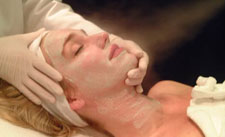
 Beginning of Thailand's Spa

